Palm Oil, MOSH/MOAH and Regulatory Considerations
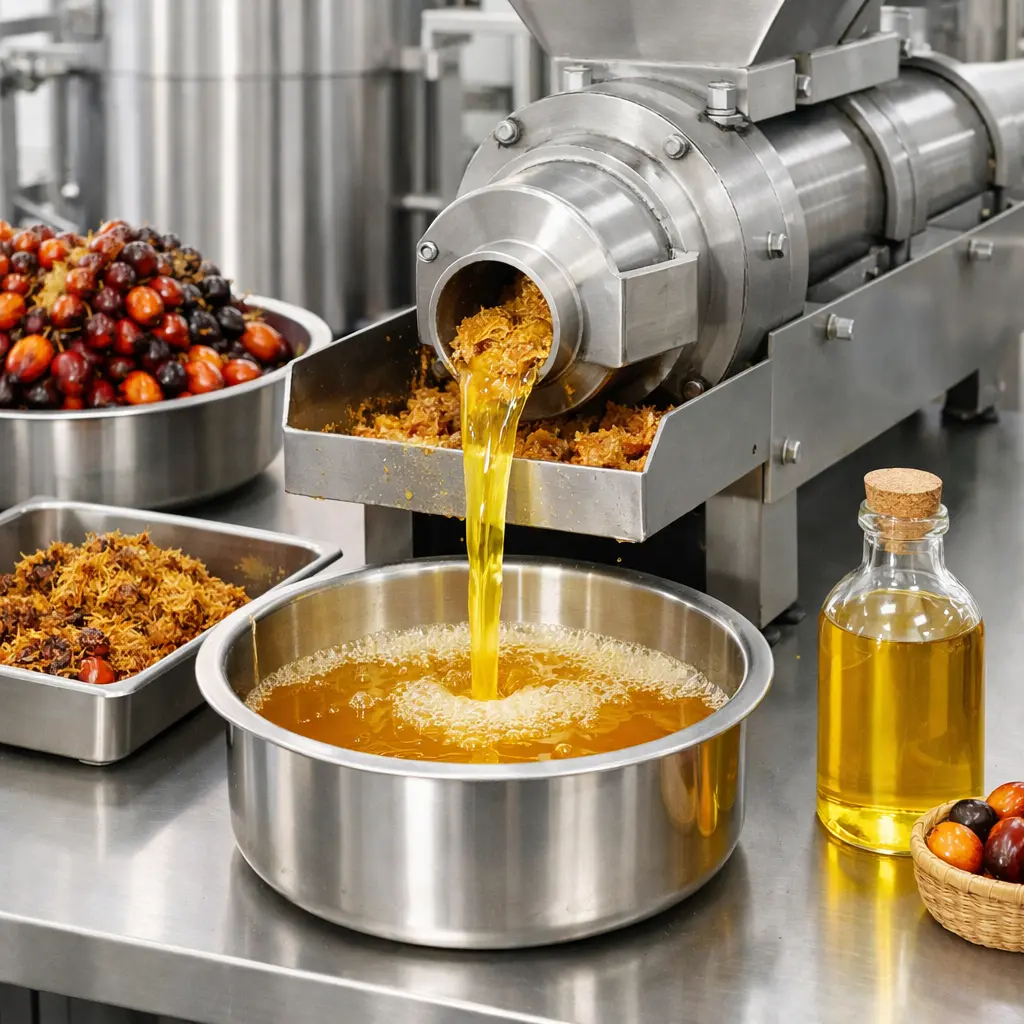
Palm oil and palm oil–derived materials are widely used across food, feed, cosmetics, pharmaceuticals, lubricants, and industrial processing applications due to their favorable fatty acid profile, oxidative stability, and cost efficiency. In recent years, however, regulatory attention has increasingly focused on MOSH (Mineral Oil Saturated Hydrocarbons) and MOAH (Mineral Oil Aromatic Hydrocarbons) in relation to palm oil supply chains.
Here we explain why palm oil is frequently discussed in this MOSH/MOAH context, and outlines key compliance considerations for industrial stakeholders.
What are MOSH and MOAH?
| MOSH |
Mineral Oil Saturated HydrocarbonsMOSH refers to saturated hydrocarbons originating from mineral oil, including linear and branched alkanes as well as cycloalkanes. These compounds are chemically stable and may accumulate in human tissues such as the liver and lymph nodes after long-term exposure. From a regulatory perspective, MOSH is primarily evaluated based on its accumulation behavior rather than acute toxicity. |
|---|---|
| MOAH |
Mineral Oil Aromatic HydrocarbonsMOAH consists of aromatic hydrocarbons derived from mineral oil and may include polycyclic aromatic compounds. Certain MOAH structures are associated with genotoxic and carcinogenic concerns. Due to its toxicological profile, MOAH is considered the critical fraction and is subject to strict regulatory control or near-zero tolerance in many applications. |
Why is palm oil specifically mentioned in MOSH/MOAH discussions?
Palm oil itself is not a mineral oil and does not intrinsically contain MOSH or MOAH. Regulatory attention arises due to possible contamination pathways along the production and logistics chain, including:
Agricultural stage
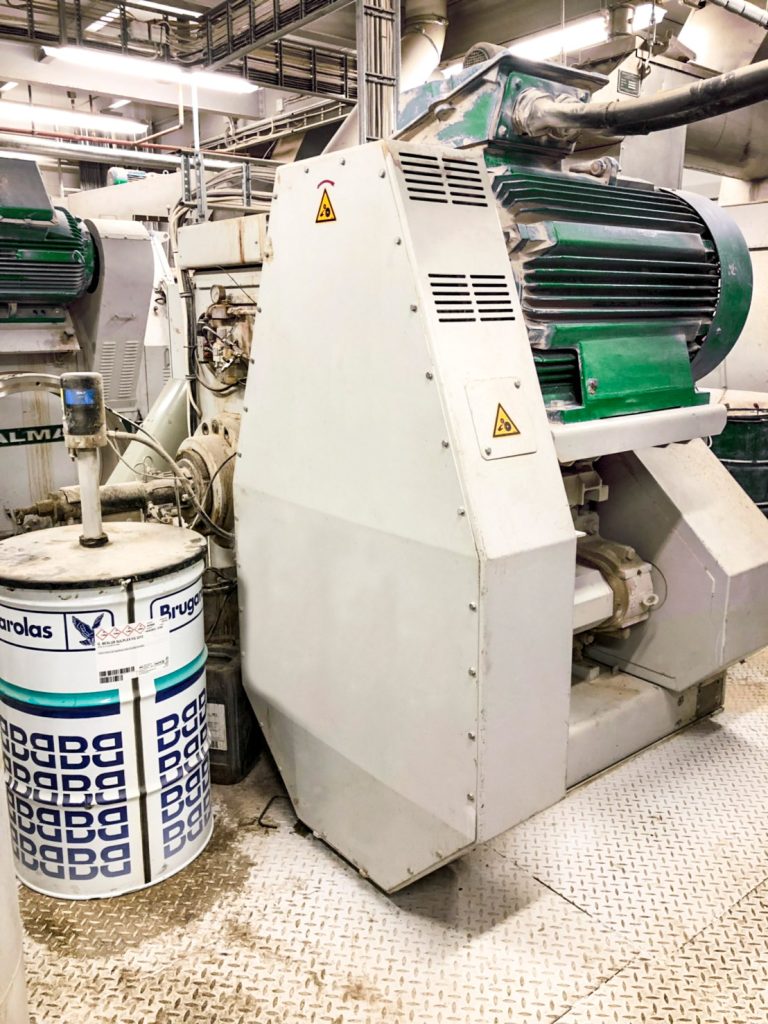
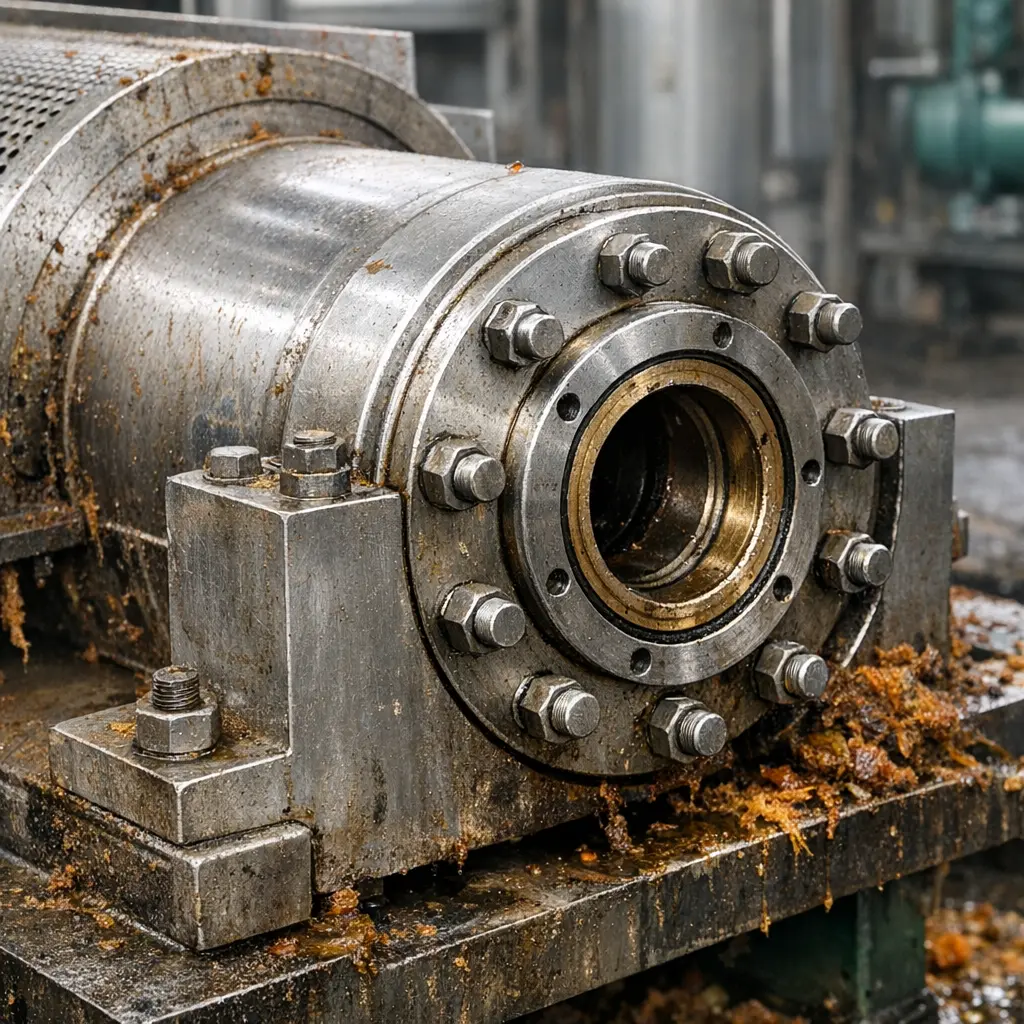
Use of mineral oil–based lubricants in harvesting machinery and transport equipment. For example, contamination may occur due to leakage of mineral oil–based hydraulic oils used in agricultural machinery.Oil extraction and refining
Contact with bearing greases, hydraulic oils, gear oils, release agents, or processing aids.Drying and heating processes
Use of mineral oil–based fuels during drying steps, which may generate hydrocarbon residues.Packaging and storage
Migration from recycled paperboard, inks, adhesives, or mineral oil–containing packaging materials.
Because palm oil is produced in large volumes and traded globally, trace-level MOSH/MOAH contamination can become a systemic supply chain issue rather than a formulation issue.
Regulatory status and current expectations
Implications for palm oil–based materials in industry
For manufacturers and users of palm oil–derived materials (fatty acids, esters, glycerides, surfactants, lubricants, and additives), MOSH/MOAH considerations typically translate into:
Supplier qualification and documentation
Traceability of processing aids and lubricants
Preference for food-grade or MOSH/MOAH-controlled processing oils
Clear communication of analytical scope and limitations
Importantly, the presence of palm oil in a formulation does not automatically imply a compliance risk, provided that appropriate controls are in place.
MOSH/MOAH regulation related to palm oil should be understood as a supply chain and process control topic, not as an inherent issue of palm oil chemistry. For engineers, QA professionals, and regulatory teams, the key lies in risk assessment, documentation, and transparent communication, rather than avoidance of palm oil as a raw material.
As regulatory expectations continue to evolve, maintaining technical awareness and supplier alignment remains essential for compliant and sustainable industrial applications.
Brugarolas S.A.
Founded in 1885 and headquartered in Barcelona, Spain, Brugarolas Lubricants is dedicated to innovation in lubricant applications. All products comply with the RoHS directive, ensuring import and export without concerns over restricted substance testing. Our solutions extend equipment lifetime and reduce operating costs. With a full product line covering a wide range of industries—including cement, mining, food, paper, aerospace, and advanced electronics—if you require specialized lubrication products not listed below, contact our engineers with hesitation.

Our Advantages:
- Reduce friction and wear, minimize abnormal noise
- Extend component lifetime
- Prevent contamination
- Enhance functionality and reliability
- Improve production yield
- Avoid product defects
- Increase uptime
- Low odor
- Safe for operators
- Non-hazardous
- Lower overall costs
- RoHS and REACH/SVHC compliant
- PFAS free
- MOSH/MOAH free
- Biodegradable
- Food-grade
- Halal certification